Custom Metal Stamping Parts Manufacturer | YJ Metal

Expert Team

Home / Pages / Team
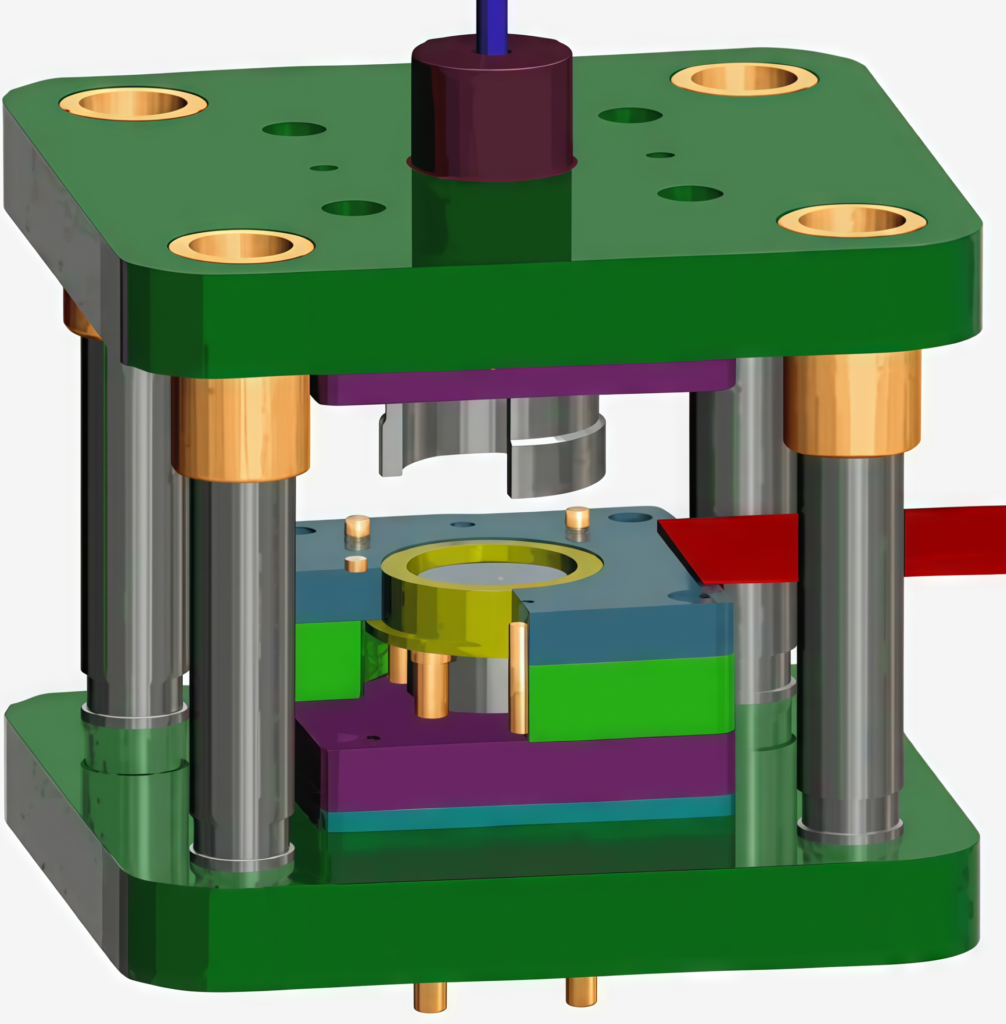
Custom metal stamping production line at YJ Metal

You need parts that match your design, budget, and production tempo—and a custom metal stamping partner turns those requirements into repeatable, high-volume components. A reliable custom metal stamping manufacturer delivers precise, cost-effective sheet‑metal parts using tailored tooling and quality controls that keep tolerances tight and production consistent.

This article shows how manufacturers serve industries from automotive to electronics, what materials and processes they use, and how to pick a partner that meets certification, lead‑time, and cost targets. Expect practical guidance on services, part types, materials, and the trends reshaping stamping so you can choose a supplier that supports your program goals.

What Is a Custom Metal Stamping Parts Manufacturer?

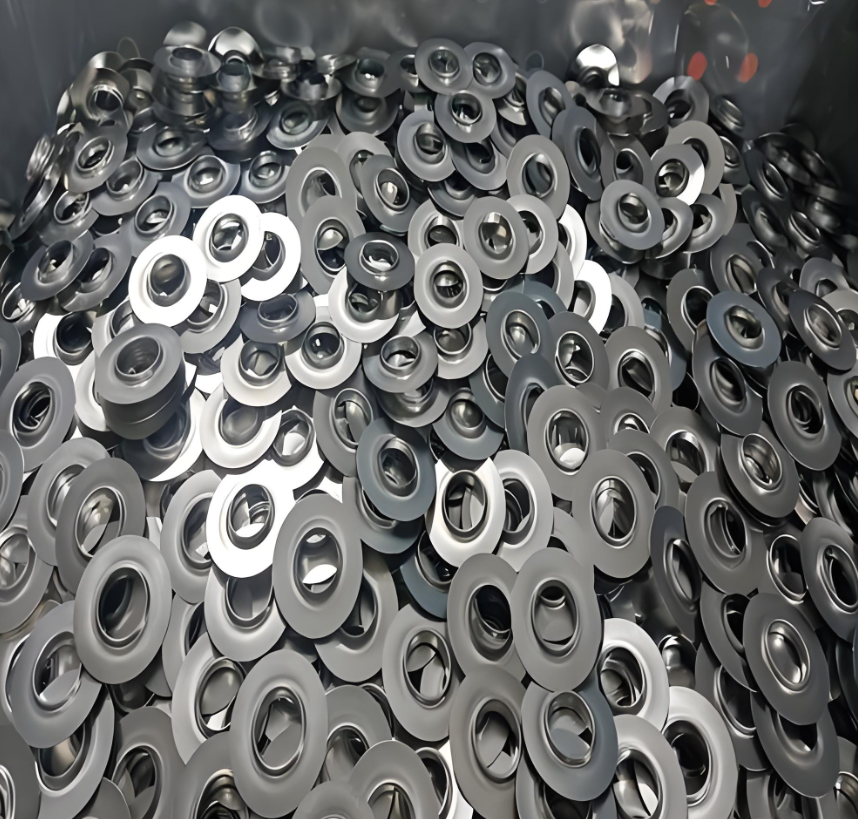
A custom metal stamping parts manufacturer designs, tools, and produces sheet-metal components to your exact specifications, using presses and dies tuned for repeatability and tight tolerances. You get parts made from materials such as carbon steel, stainless steel, and aluminum, and production methods ranging from single-hit stamping to progressive-die runs.
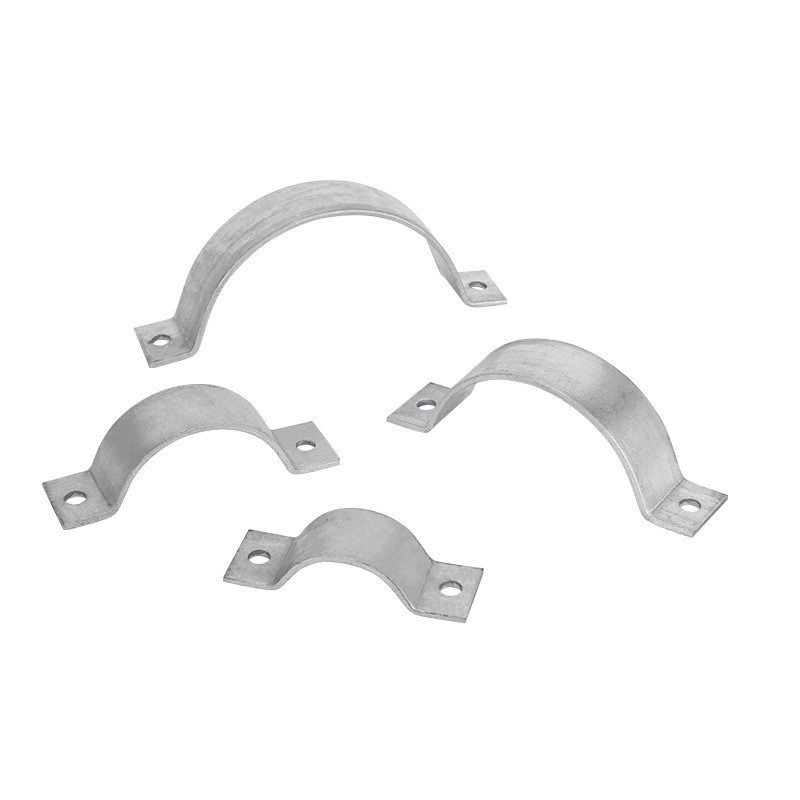
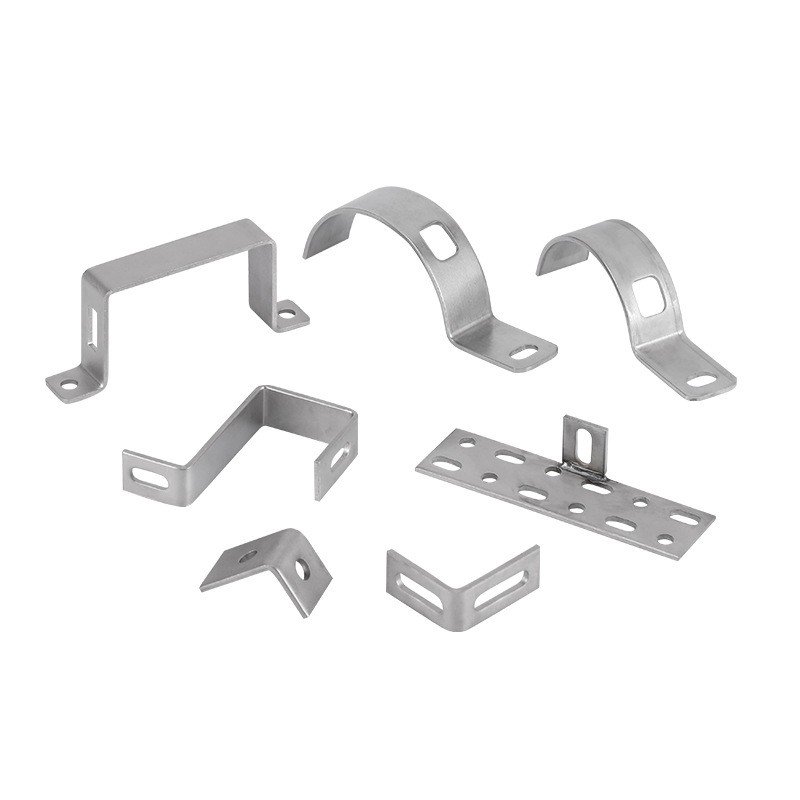
Stainless Steel Stamped Components

high-volume production.

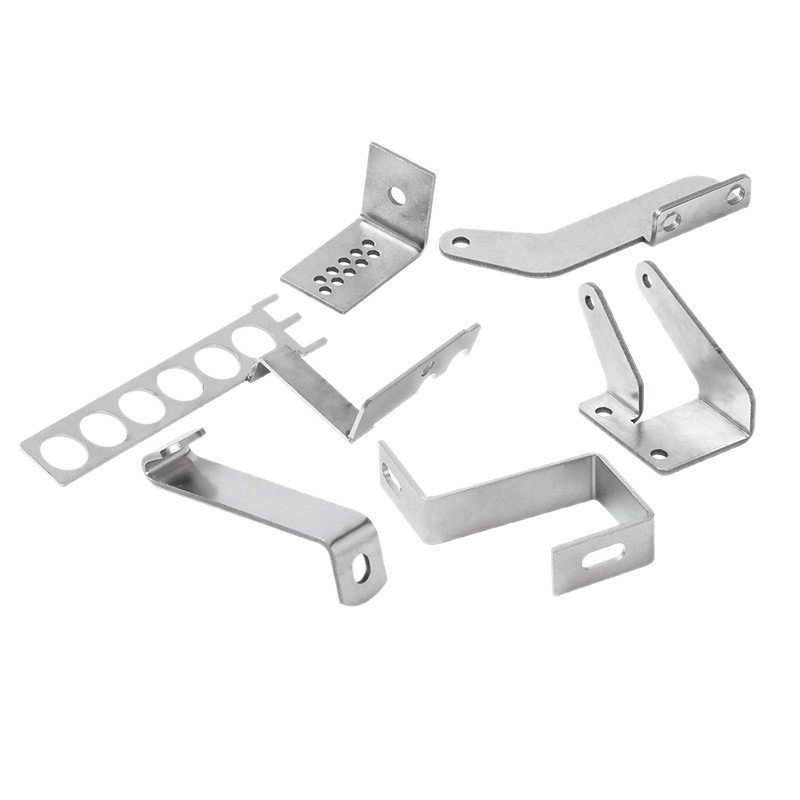
OEM custom metal fabrication

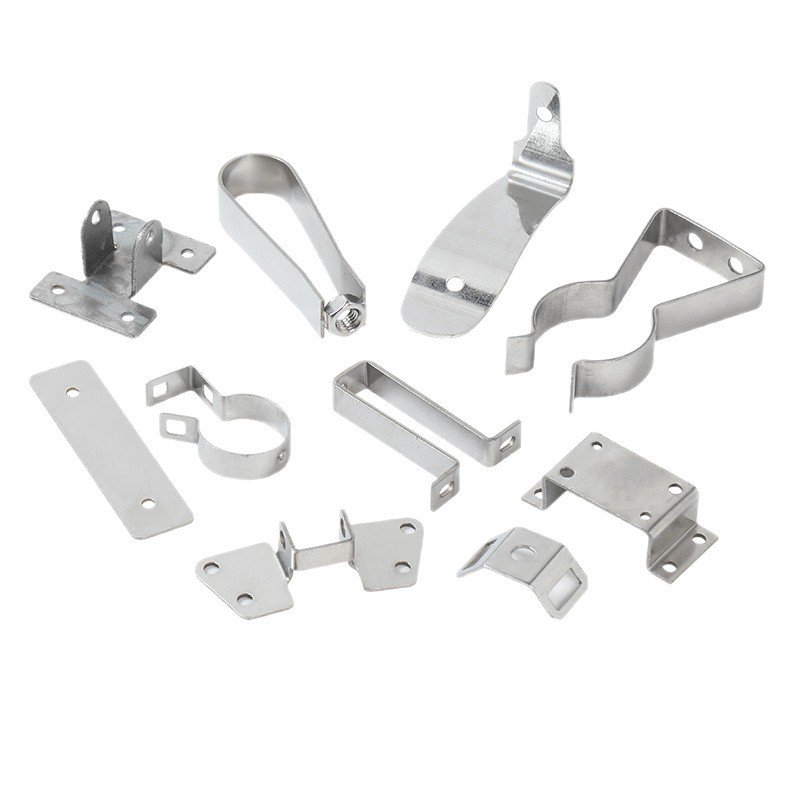
precision stamping, punching, and bending parts

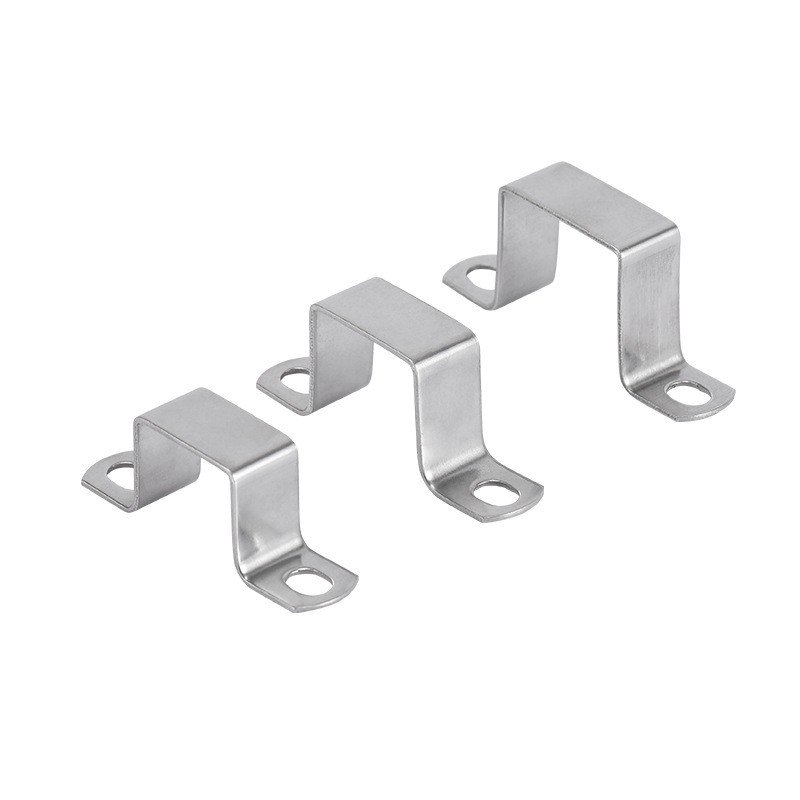
Custom stainless steel brackets

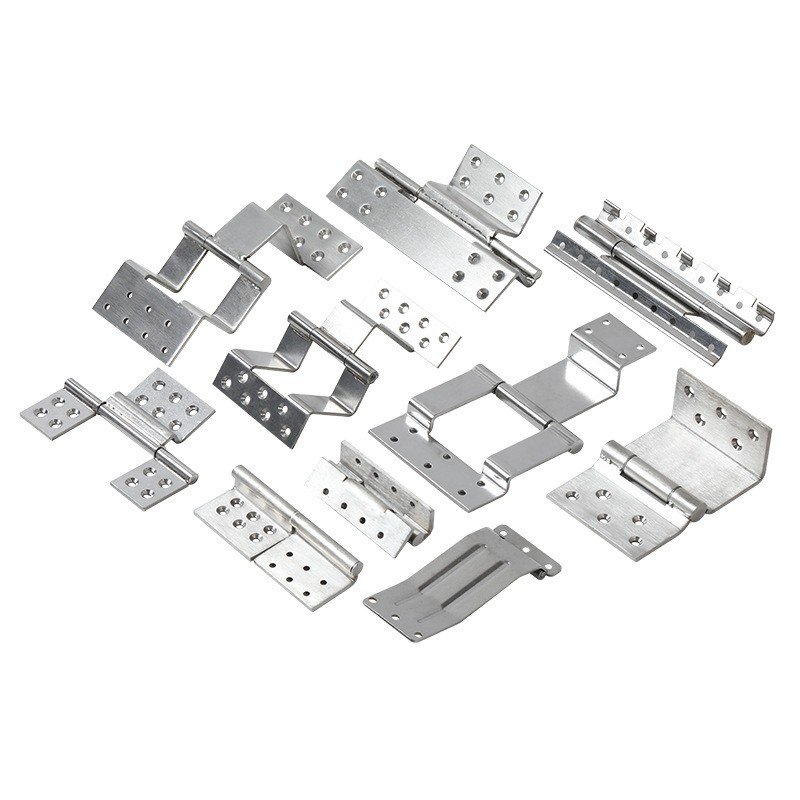
hinges, and metal mounting plates

Definition of Custom Metal Stamping

A custom metal stamping parts manufacturer fabricates metal components by deforming sheet or strip stock with dies and presses created specifically for your part geometry. You provide drawings, CAD files, or prototypes; the supplier engineers tooling that controls forming, blanking, piercing, bending, and coining operations. Production can be low-volume with a single-station die or high-volume using progressive dies that perform multiple operations in sequence. Material selection, surface finish, and tolerance stack-up get specified up front so parts meet functional and assembly requirements.
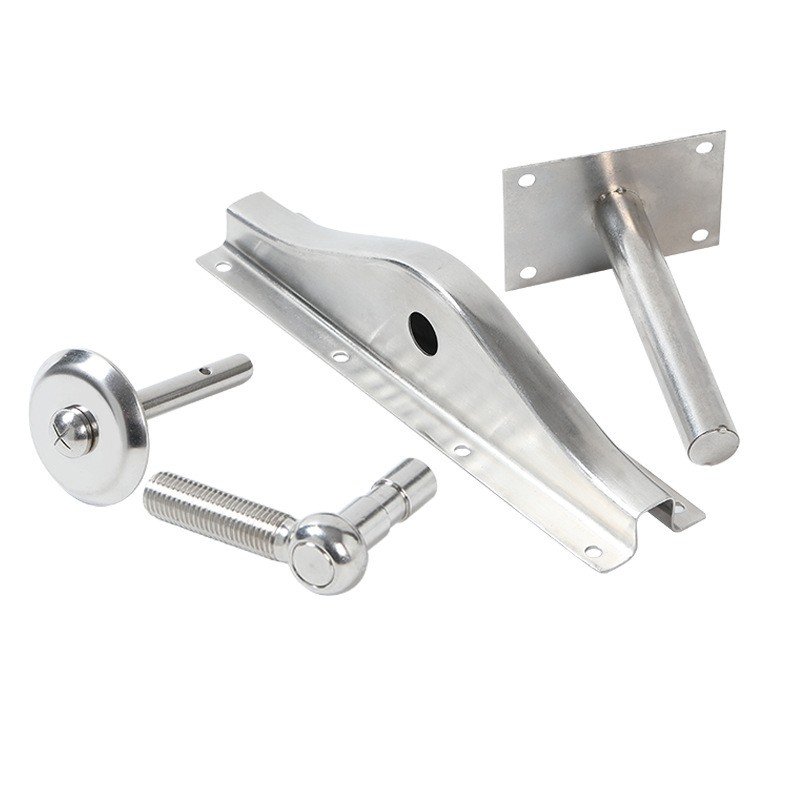
Custom stainless steel stamping parts and precision metal brackets

Role in the Manufacturing Industry

You rely on custom stampers when part geometry, cycle speed, or cost-per-piece make machining or casting impractical. They serve automotive, electronics, appliances, and industrial equipment sectors that demand repeatable dimensions and high throughput. The manufacturer often integrates secondary operations—deburring, heat-treating, plating, and inspection—to deliver ready-to-assemble components. Quick tool changes, in-house quality systems (ISO 9001 common), and supply-chain documentation help you meet OEM schedules and regulatory requirements.
Precision CNC machined stainless steel components and fasteners

Key Components of the Stamping Process
Tooling: Dies, punches, and progressive-die assemblies define part features and tolerances. You should confirm life expectancy and repairability.Presses: Mechanical and hydraulic presses apply controlled force; tonnage and stroke rate determine maximum material thickness and cycle speed. Match press capability to material and production volume.Material handling and feed: Coil feed, straighteners, and feeders maintain strip alignment and minimize scrap. Accurate strip feeding is critical for repeatable positioning.Secondary operations and inspection: Trimming, tapping, welding, plating, and 100% dimensional inspection (CMM or go/no-go gauges) ensure parts meet functional specs. Ask about documentation: first-article inspection reports, SPC charts, and material certificates.
High precision CNC milling and turning for stainless steel 316 components

Core Services Offered by Custom Metal Stamping Parts Manufacturers

You will find services that take a part from concept to finished component: engineering support for manufacturability, high-volume stamping and forming, assembly and surface treatments, and strict inspection and certification steps. Each area focuses on reducing cost, ensuring repeatability, and meeting dimensional and functional requirements.

Prototype and Design Assistance

You get early-stage support to validate part geometry, material selection, and tooling approach. Manufacturers typically offer CAD review, DFM (design for manufacturability) recommendations, and rapid prototyping using short-run stamping or CNC/laser-fabricated prototypes to confirm fits and tolerances.Expect iterative feedback on thickness, bend radii, reliefs, and hole placements to avoid common stamping failures like burrs or springback. Many suppliers also provide finite-element analysis (FEA) for deep draws or complex forms to predict thinning and stress points.Tooling concept proposals (progressive die vs. single-station dies) and cost tradeoffs are provided so you can choose the right upfront investment for part volumes. Quick-turn prototype dies let you test assembly, plating adhesion, and functional performance before committing to production tooling.
OEM custom metal fabrication: precision stamping, punching, and bending parts
Custom metal stamping parts manufacturer

Production Capabilities

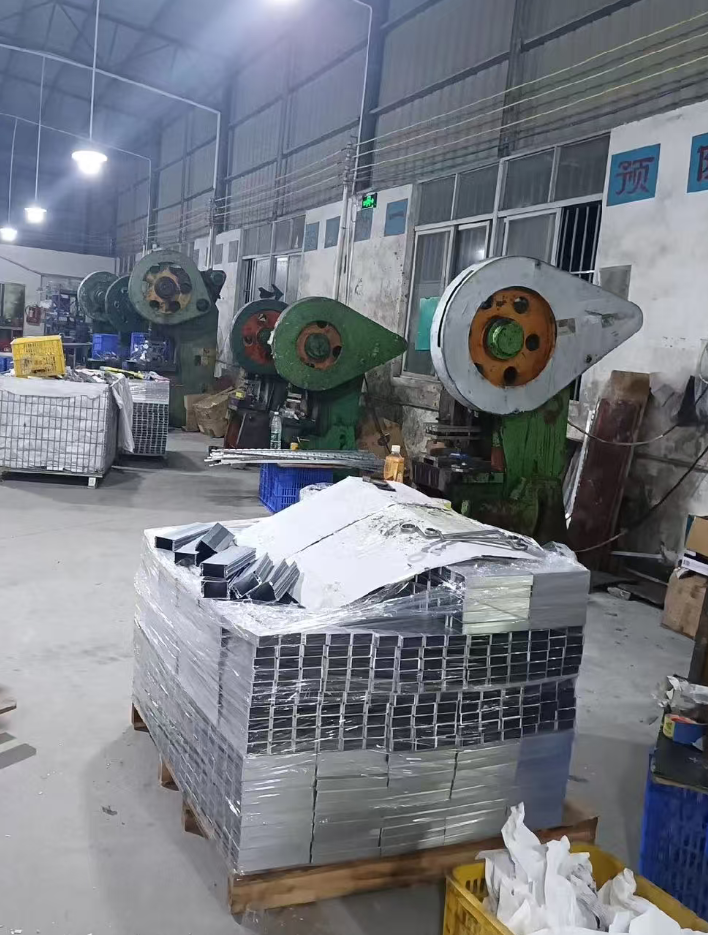
Manufacturers offer a range of press sizes and processes to match volume and complexity. You can access servo-driven presses, mechanical presses up to several hundred tons, and progressive, transfer, or deep-draw stamping depending on part geometry and cycle requirements.

Typical material handling covers steel (cold-rolled, galvanneal, stainless), aluminum, copper, and brass in coils or blanks. Secondary forming operations—bending, coining, blanking, piercing, and embossing—are integrated inline or as separate cells to minimize handling and variation.

High-volume runs use progressive dies for repeatable cycle times and tight tolerances, while short runs use shuttle or single-station methods. Tool maintenance programs, die repair, and in-house toolmaking ensure consistent uptime and rapid changeover when you need design revisions or production scaling.

Assembly and Finishing Services
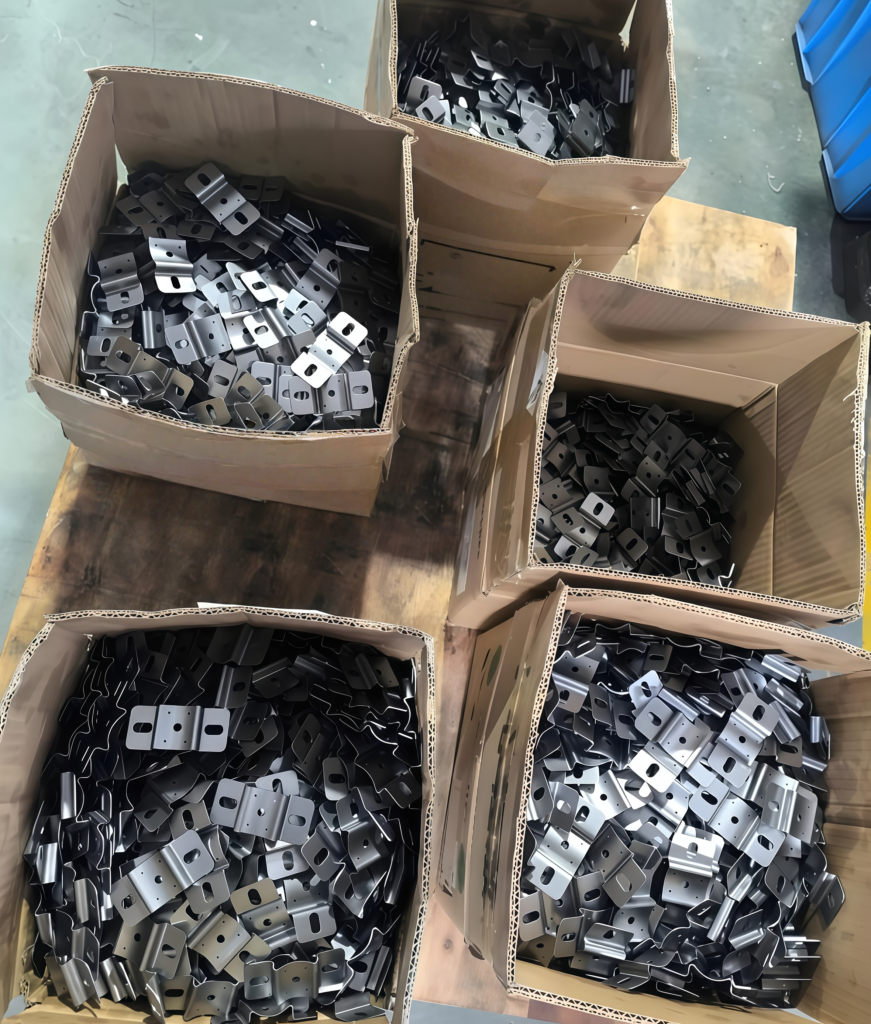
You can consolidate value-added tasks under one roof to reduce lead times and logistics. Manufacturers commonly provide spot welding, resistance welding, clinching, rivet insertion, and robotic assembly to build subassemblies or finished modules.Surface treatments extend part life and meet aesthetic or electrical requirements. Options include electroplating (zinc, nickel), passivation, powder coating, anodizing (for aluminum), and custom lubricants. Many suppliers perform masking, selective plating, and post-plating baking to control hydrogen embrittlement.Kitting and packaging tailored to your assembly line or end-customer specifications are available. Just-in-time (JIT) delivery, barcoding, and traceable lot segregation help you integrate stamped parts directly into downstream production without extra handling.

Graphic Design

We specialize in logos, merchandise and more. Anyone can create nice graphics but it’s much better to create memorable ones. Contact us by calling, emailing or filling out our form. You will receive a free quote by email within 24 hours.

Quality Control Processes

You receive documented inspection regimes tied to part tolerances and process controls. Manufacturers use first-article inspection (FAI), in-process SPC (statistical process control), and final inspections with calibrated gauges and CMMs (coordinate measuring machines).Nonconforming controls include root-cause analysis, containment, and corrective action procedures (PFMEA and 8D reporting when needed). Surface and plating thickness checks use XRF and microhardness tests; assembly joints undergo pull/peel testing to verify structural performance.Certifications (ISO 9001, IATF 16949 for automotive, or customer-specific approvals) and traceability systems track material lots, heat numbers, and process parameters so you can meet regulatory and audit demands.
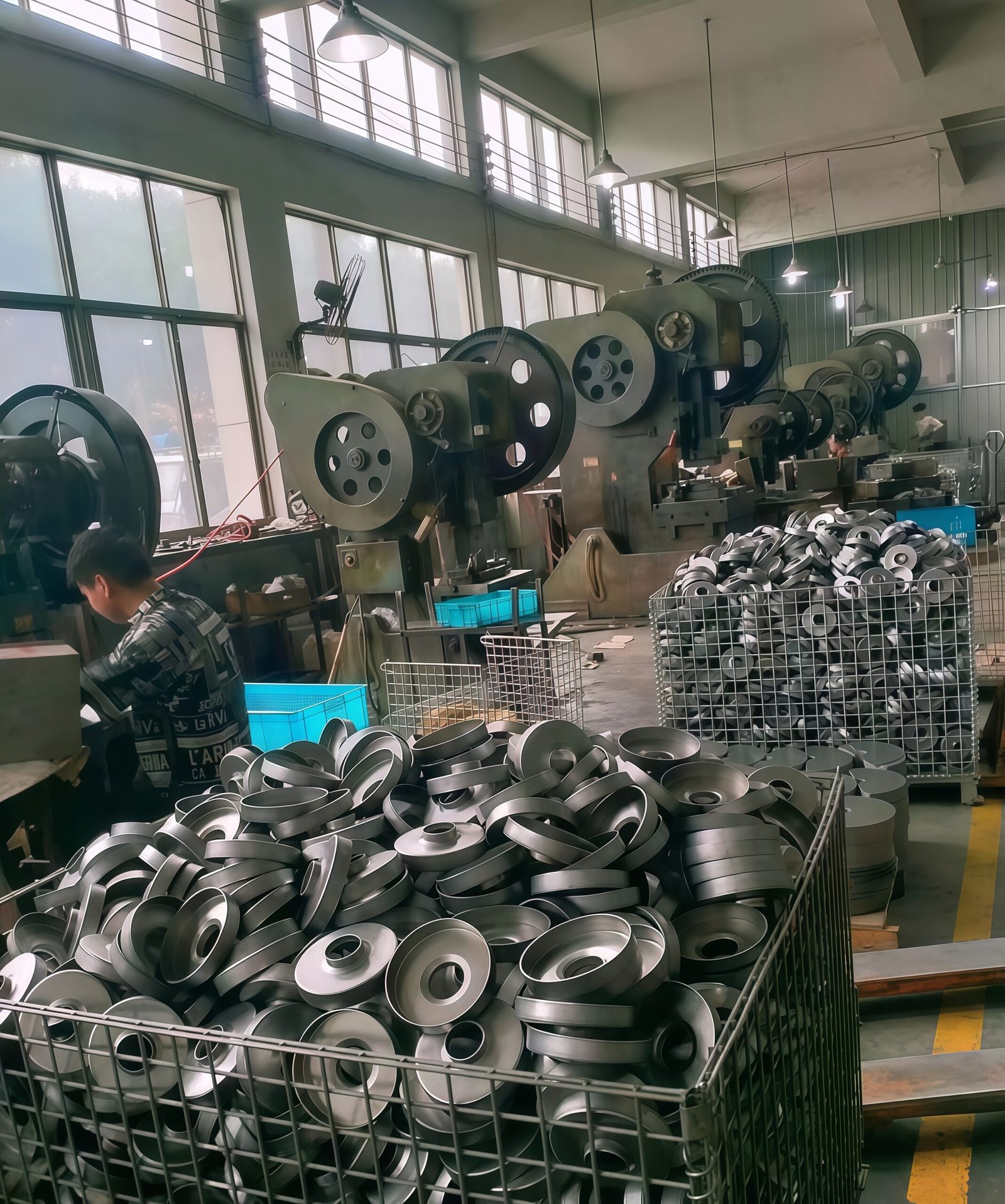
Metal stamping factory workshop with high-speed mechanical press machines

Talk to us

Have any questions? We are always open to talk about your business, new projects, creative opportunities and how we can help you.

Leave a Comment

Your email address will not be published. Required fields are marked *